Key Takeaways: What You'll Learn
- What bully sticks are: Single-ingredient beef chews made from bull pizzle—fully digestible and significantly safer than rawhide
- Main benefits: Promotes dental health, provides mental stimulation, high protein content (80-97%), and offers long-lasting entertainment (15-45+ minutes)
- Safety essentials: Always supervise your dog, remove stick when it reaches 2.5-3 inches, and choose the proper size based on your dog's weight and chew style
- Calorie awareness: Average 6-inch stick contains 88 calories—factor this into your dog's daily 10% treat allowance
Jump to a specific section:
- The single-ingredient treat that keeps dogs happy
- How bully sticks transform from farm to treat
- Nutrition facts every dog owner should know
- Why veterinarians recommend bully sticks over rawhide
- Safety considerations and best practices
- Dental health benefits backed by research
- Finding the perfect bully stick for your dog
- Age-specific considerations: Puppies and senior dogs
- Why some bully sticks smell (and how to minimize it)
- Storage and shelf life
- Frequently asked questions
If you've ever stood in the pet store aisle staring at rows of dog chews wondering what's actually safe and beneficial for your furry friend, you're not alone.
Among the countless options available, bully sticks have emerged as one of the most popular and veterinarian-recommended choices for good reason.
This comprehensive guide will walk you through everything you need to know about bully sticks. We'll cover what they're made of (yes, we'll address the "pizzle" question head-on), health benefits, safety considerations, and how to choose the right size for your specific pup.
- 100% single-ingredient treat (beef pizzle muscle)
- 80% protein, only 3% fat
- Fully digestible (unlike rawhide)
- Provides 15-45+ minutes of chewing time
- No artificial ingredients or preservatives
The single-ingredient treat that keeps dogs happy for hours
What exactly are bully sticks made from?
Let's start with the straightforward answer: a bully stick is made from the pizzle of a bull or steer—which is the scientific term for the penis muscle.
While this might sound unusual to humans, it's important to understand that bully sticks are simply a by-product of the beef industry that would otherwise go to waste. Instead, this high-protein muscle tissue is transformed into one of the safest, most digestible, and nutritionally beneficial chews available for dogs.
Other names for bully sticks
Bully sticks go by several names depending on the region and manufacturer:
- Beef pizzle sticks (the technical term)
- Steer sticks
- Pizzle sticks
- Bull pizzles
- Bully bones (though they contain no actual bone)
The term "bully" comes from an old English word for bull, giving these treats their most common name.
Regardless of what you call them, they're made from 100% natural beef with no artificial ingredients, preservatives, or additives—just pure, slow-dried muscle.
Why dogs absolutely love bully sticks
Natural appeal to carnivorous instincts
Dogs are naturally drawn to bully sticks for several instinctive reasons. The rich, meaty aroma appeals to their carnivorous nature.
The firm yet chewy texture satisfies their innate desire to gnaw and chew.
Extended chewing satisfaction
Unlike synthetic chews that dogs might ignore or quickly destroy, bully sticks provide 15 to 45+ minutes of focused chewing (times vary by dog size and chewing style).
This extended chewing session releases endorphins in your dog's brain, creating a calming, satisfying experience. It can help reduce anxiety, destructive behavior, and boredom.
It's the canine equivalent of stress relief—a natural, healthy outlet for energy and chewing instincts.
How bully sticks transform from farm to treat
Understanding how bully sticks are made helps explain why they're so safe and why quality varies significantly between brands.
The manufacturing process, when done correctly, transforms raw beef muscle into a shelf-stable, nutritious treat through careful handling and slow dehydration.
Sourcing: Where quality begins
Why sourcing matters
Premium bully sticks start with high-quality sourcing. At BullyStick.com, we source our bully sticks from grass-fed, free-range cattle in Brazil, where cattle ranching follows sustainable practices with minimal use of hormones or antibiotics.
The pizzles are collected as by-products from meat processing facilities that meet strict safety and quality standards.
Impact on final product quality
This sourcing matters because the quality of the original beef directly impacts the nutritional value, digestibility, and safety of the final product.
Cattle raised on pasture with natural diets produce higher-quality muscle tissue with better protein profiles and fewer contaminants.
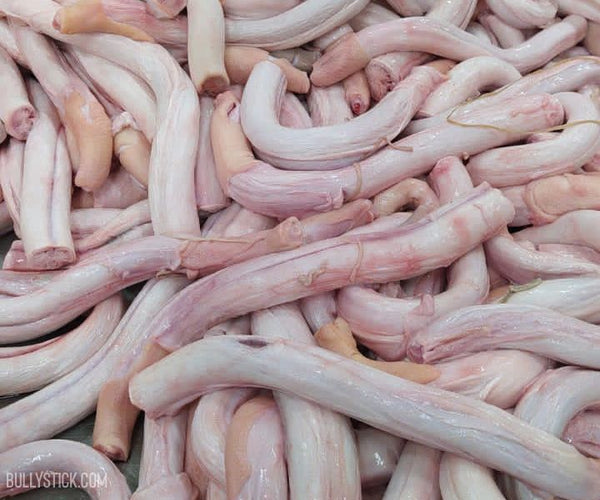
Raw bull pizzle—the starting material for premium bully sticks
The 4-step manufacturing process
Step 1: Cleaning and preparation
Raw pizzles are thoroughly cleaned and trimmed to remove any excess tissue or fat. This critical first step ensures safety and quality in the final product.
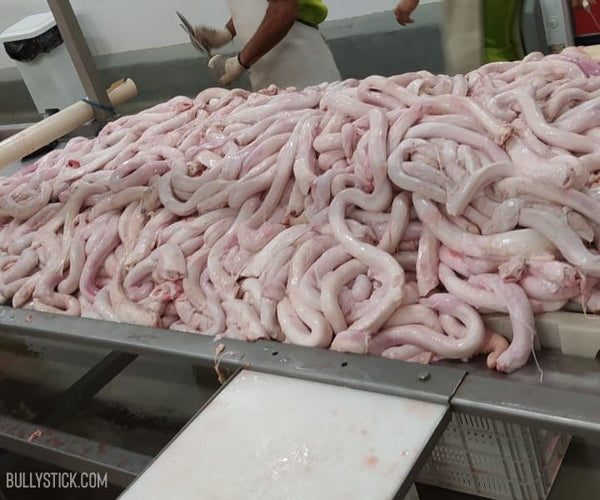
Bull pizzle after thorough cleaning and preparation
Step 2: Stretching and shaping
The muscle is stretched to create the familiar stick shape.
Some manufacturers also braid multiple pizzles together or form them into rings or other shapes for variety and different chewing experiences.
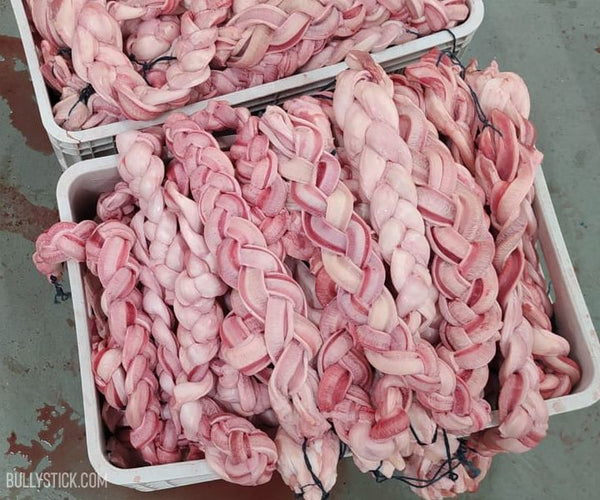
Raw pizzles braided together to create thicker, longer-lasting chews
Step 3: Slow dehydration (most critical step)
This is the most important step for quality and safety. Premium bully sticks are slow-cooked at controlled temperatures between 165°F and 195°F for 2-3 days.
This extended, low-temperature process safely eliminates bacteria while preserving nutritional value and creating the perfect chewing texture.
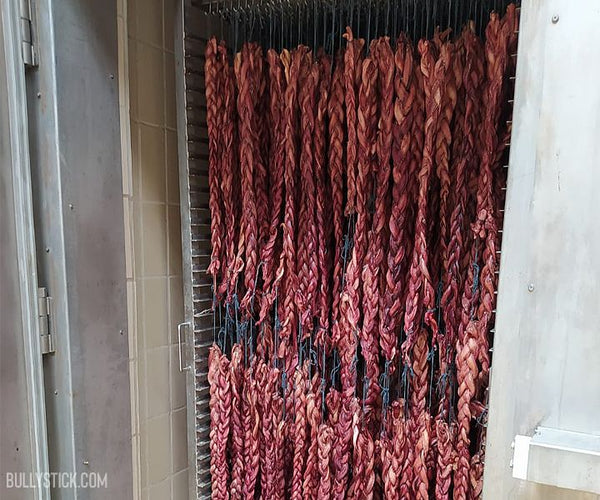
Slow dehydration at controlled temperatures for 2-3 days
Step 4: Quality inspection
Finished products are inspected for consistency, texture, and safety before packaging. This final quality check ensures only the best bully sticks reach your dog.

Finished braided bully sticks ready for packaging
Why slow-cooking makes all the difference
The slow-cooking method used by quality manufacturers differs dramatically from quick-drying methods some cheaper brands use.
Fast processing at high temperatures can create brittle, less digestible chews with higher bacterial counts. The patient, low-temperature approach creates a safer, more satisfying product.
What makes BullyStick.com different
All our bully sticks undergo an extended slow-roasting process that naturally reduces odor while maintaining nutritional integrity.
Unlike some manufacturers that add chemical treatments or artificial processing, our odor-free bully sticks achieve their lower smell profile simply through longer drying times at precise temperatures.
This means you get all the benefits with significantly less of the characteristic "bully stick smell" that concerns many pet parents.
Quality and safety standards
When properly manufactured by reputable companies, bully sticks are extremely safe.
A 2013 study published in the Canadian Veterinary Journal by Freeman et al. examined the nutritional and microbial content of bully sticks, highlighting the importance of sourcing from manufacturers who follow proper safety protocols and temperature controls during processing.
At BullyStick.com, our slow-roasting process at controlled temperatures between 165°F-195°F for 2-3 days effectively eliminates harmful bacteria while preserving nutritional value.
We source only from facilities that meet rigorous safety standards and can provide full traceability for every product.
Nutrition facts every dog owner should know
One of bully sticks' greatest advantages is their impressive nutritional profile.
As a single-ingredient treat made from pure beef muscle, they offer substantial protein with minimal fat and no problematic additives.
- Protein: 80-97% (excellent for muscle health)
- Fat: Only 1-3% (won't contribute to weight gain)
- Calories: ~88 per 6-inch stick
- Additives: Zero artificial ingredients
Calorie and macronutrient breakdown
Detailed nutritional content
Understanding the nutritional content helps you incorporate bully sticks into your dog's diet responsibly:
| Metric | Value |
|---|---|
| Calories per inch | 9-22 calories (varies by thickness) |
| Average 6-inch stick | 88 calories |
| Protein content | 80-97% |
| Fat content | 1-3% |
| Moisture content | 10-15% |
Source: Calorie data based on research by Freeman et al. (2013) published in the Canadian Veterinary Journal, which analyzed 26 bully sticks from different manufacturers and found an average of 88 calories per 6-inch stick, with a range of 9-22 calories per inch depending on thickness.
Why this nutritional profile matters
This high-protein, low-fat profile makes bully sticks an excellent choice for most dogs.
The protein supports muscle maintenance, immune function, and overall health. The low fat content means these treats won't significantly contribute to weight gain when given appropriately.
Calorie management for weight-conscious dogs
Account for bully stick calories
If your dog needs to lose weight or maintain a specific calorie count for health reasons, account for bully stick calories in their daily totals.
A typical 6-inch bully stick contains approximately 88 calories, which should be factored into your dog's overall daily caloric intake.
4 strategies for calorie management
Options for calorie management include:
- Adjust meal portions: Reduce regular meal portions slightly on days your dog gets a bully stick
- Choose thinner sticks: Thinner bully sticks have fewer calories per inch (9-12 calories vs 18-22 for thick ones)
- Offer half portions: Break longer bully sticks in half and save the other half for another day
- Limit frequency: Offer bully sticks 1-2 times per week instead of daily for dogs on calorie-restricted diets
Remember, treats (including bully sticks) should comprise no more than 10% of your dog's daily caloric intake.
Consult with your veterinarian to determine the appropriate treat allocation for your dog's specific dietary needs.
The 10% rule: Balancing treats and meals
What is the 10% rule?
Veterinarians and pet nutritionists recommend the "10% rule" for all treats, including bully sticks: treats should not exceed 10% of your dog's daily caloric intake.
The remaining 90% should come from complete and balanced dog food.
The 10% rule by dog size
Here's what this looks like in practice:
- Small dog (10 lbs): ~200-275 calories/day → maximum 20-27 treat calories → about 2-3 inches of bully stick
- Medium dog (40 lbs): ~700-900 calories/day → maximum 70-90 treat calories → about one 6-inch bully stick
- Large dog (70 lbs): ~1,200-1,500 calories/day → maximum 120-150 treat calories → about one 12-inch bully stick or larger
How often should you give bully sticks?
Most veterinarians recommend offering bully sticks 2-3 times per week for average-sized dogs.
This frequency provides the dental and behavioral benefits without making treats too large a portion of the diet. Active dogs or those using bully sticks for training rewards might have different needs—consult your veterinarian for personalized guidance.
Why veterinarians recommend bully sticks over rawhide
If you've researched dog chews, you've likely encountered the bully stick vs. rawhide debate. While both have been popular for years, veterinarians increasingly recommend bully sticks over rawhide due to significant safety and digestibility differences.
The digestibility difference: A critical safety factor
The most important distinction between these chews comes down to what happens after your dog swallows pieces:
Bully sticks are fully digestible. Made from pure beef muscle, they break down in your dog's digestive system just like any other meat-based food. The proteins are absorbed, providing nutritional value without leaving problematic residue.
Rawhide is largely indigestible. Made from the inner layer of cow or horse hides treated with chemicals, rawhide can sit in your dog's stomach for extended periods. Large pieces can form obstructions that require emergency veterinary intervention, sometimes including surgery to remove blockages.
According to data from veterinary emergency hospitals, rawhide-related intestinal blockages are among the most common foreign body obstructions seen in dogs, often requiring expensive surgical intervention costing $2,000-$5,000 or more.
Processing and chemical concerns
The manufacturing processes differ dramatically:
✓ Bully Stick Processing
- Single-ingredient: 100% beef muscle
- Simple cleaning and slow-drying process
- No chemical treatments required
- Natural preservation through dehydration
- Transparent sourcing from identifiable facilities
✗ Rawhide Processing Concerns
- Multiple ingredients and chemical treatments
- Hide treated with lime, ash, or lye to remove hair/fat
- Bleaching and chemical whitening common
- Glues and adhesives used for pressed rawhides
- Artificial flavors and colors frequently added
- Less transparent sourcing and country of origin
These processing differences mean bully sticks are much closer to "whole food" treats, while rawhide is heavily processed with potential chemical residues.
Choking and breaking patterns
When dogs chew both products, their breaking patterns differ significantly:
Bully sticks soften as dogs chew, eventually breaking into small, digestible pieces that can be safely swallowed. The softening occurs gradually, allowing dogs to work through the chew safely.
Rawhide can separate into larger, slippery chunks that dogs might try to swallow whole, creating choking hazards. The "knot" portions of rawhide bones are particularly problematic, as many dogs attempt to swallow these large pieces after softening them through chewing.
For a deeper comparison of these products, including specific veterinary warnings and emergency statistics, read our comprehensive guide: Bully Sticks vs Rawhide: The Complete Safety Comparison.
Safety considerations and best practices
While bully sticks are among the safest dog chews available, responsible use requires following important safety guidelines.
Every dog is different, and what works safely for one might require adjustments for another.
- Always supervise your dog while chewing
- Remove when stick reaches 1-4" (based on dog size)
- Use a bully stick holder for maximum safety
- Choose appropriate size for your dog's weight
- Start with shorter sessions (5-10 minutes)
Supervision: The non-negotiable rule
Why supervision matters
Always supervise your dog when they're enjoying a bully stick, especially during the first few sessions.
This allows you to observe their chewing style, monitor how quickly they work through the stick, and intervene if any problems arise.
Warning signs to watch for
Watch for these behaviors during supervision:
- Attempting to swallow large pieces whole
- Aggressive chewing that breaks off large chunks
- Becoming possessive or resource-guarding the chew
- Signs of stomach upset after finishing
The removal rule: When to take it away
Size-specific removal guidelines
As a general guideline, you should remove a bully stick based on your dog's size:
- Small dogs (under 25 lbs): Remove at 1-1.5 inches
- Medium dogs (25-50 lbs): Remove at 1-2 inches
- Large dogs (50-80 lbs): Remove at 2-3 inches
- Extra-large dogs (80+ lbs): Remove at 3-4 inches
The key is to remove the bully stick before it becomes small enough for your dog to swallow whole, which creates a choking hazard.
When in doubt, take it away earlier rather than later.
What to do with small pieces
You have two safe options for handling bully stick ends:
- Save for supervised sessions: Store in a sealed bag and offer when you can watch closely
- Discard for safety: Simply throw away to eliminate any choking risk
Bully stick holders: A valuable safety tool
What is a bully stick holder?
A bully stick holder is a safety device that securely grips the last few inches of a bully stick, preventing dogs from swallowing small pieces whole.
This simple tool transforms bully stick safety and value, making it one of the smartest investments for responsible dog owners.

Our bully stick holder keeps your dog safe by securing the last inches
Key benefits of using a bully stick holder:
- Prevents choking hazards: Stops dogs from swallowing the final inches whole, eliminating the most dangerous moment of bully stick consumption
- Maximizes value: Allows your dog to safely enjoy every last bite of the bully stick instead of having to throw away the last portion
- Extends chewing time: The holder adds complexity and challenge, making bully sticks last longer and providing more mental stimulation
- Peace of mind: Gives pet parents confidence that their dog can't access the dangerous small piece even if briefly unsupervised
- Cost-effective long-term: While there's an upfront cost, holders save money by allowing dogs to consume entire bully sticks safely
- Multi-functional: Most holders work with other stick-shaped chews like collagen sticks and yak chews (up to 1.5" diameter)
- Easy to clean: Many quality holders are dishwasher safe or easy to rinse clean
- Reduces waste: No more throwing away perfectly good bully stick ends because they're too small to be safe
Who needs a bully stick holder?
Bully stick holders are especially valuable for:
- Aggressive or fast chewers who quickly reduce bully sticks to small sizes
- Dogs with a history of choking or attempting to swallow objects whole
- Multi-dog households where competition might cause gulping
- Situations where you can't provide constant supervision
- Owners who want to maximize the value of each bully stick
- Puppies learning appropriate chewing behavior
Our bully stick holder securely grips treats and bully sticks to prevent choking and swallowing hazards—giving pet parents peace of mind while their dogs enjoy every last bite. It's a small investment that provides significant safety improvement and long-term cost savings.
Special considerations for specific situations
Multiple dog households: Separate dogs during bully stick time to prevent resource guarding and ensure each dog can safely enjoy their chew without competition.
Dogs with sensitive stomachs: Introduce bully sticks gradually. Start with shorter chewing sessions (5-10 minutes) and monitor for any digestive upset. Some dogs need adjustment time for rich, protein-heavy treats.
Senior dogs or those with dental issues: Consult your veterinarian before offering bully sticks. While the chewing can benefit dental health, dogs with severe dental disease or missing teeth might need softer alternatives.
Dental health benefits backed by research
One of the most significant benefits of bully sticks is their positive impact on canine dental health. In an age where approximately 80% of dogs over three years old have some form of periodontal disease according to VCA Animal Hospitals, preventive dental care is crucial.
How bully sticks clean teeth mechanically
The chewing action required to work through a bully stick provides natural tooth cleaning through mechanical abrasion:
- Scraping action: As dogs gnaw on the firm surface, it scrapes against tooth enamel, removing soft plaque before it hardens into tartar.
- Gum stimulation: The pressure and massage of gums during chewing increases blood flow, promoting healthy gum tissue.
- Tartar prevention: Regular chewing helps prevent plaque buildup from mineralizing into hard tartar that requires professional dental cleaning to remove.
- Saliva production: The act of chewing stimulates saliva production, which naturally helps rinse away food particles and bacteria.
This mechanical cleaning doesn't replace professional dental care or teeth brushing, but it significantly supplements your dog's dental hygiene routine. Studies have shown that dogs who regularly chew appropriate dental treats have noticeably less plaque and tartar accumulation than dogs who don't.
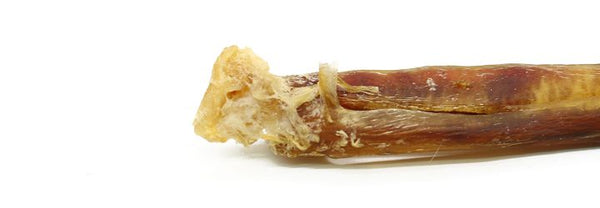
The abrasive action of chewing naturally scrapes away plaque and tartar
Preventing periodontal disease
Periodontal disease begins with plaque accumulation at the gumline. If not removed, this plaque hardens into tartar, creates pockets between teeth and gums, and allows bacteria to spread below the gumline. Left untreated, periodontal disease can lead to:
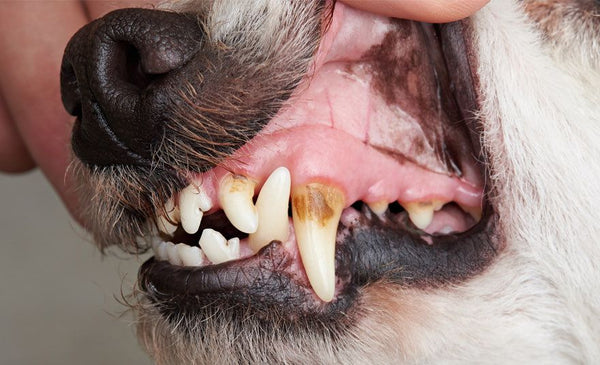
Plaque and tartar buildup—regular chewing helps prevent this
- Tooth loss and oral pain
- Chronic bad breath
- Difficulty eating
- Bacterial spread to vital organs (heart, liver, kidneys)
- Expensive veterinary dental procedures costing $500-$1,500+
Regular bully stick chewing helps interrupt this progression by keeping teeth cleaner between professional cleanings.
Fresher breath naturally
Beyond disease prevention, many dog owners notice improved breath after their dogs chew bully sticks regularly. While the immediate effect is just the meaty smell of the bully stick itself, the long-term breath improvement comes from reduced plaque and bacteria in the mouth—the primary causes of bad breath.
For comprehensive dental care tips beyond just chew treats, explore our full guide: 6 Expert Tips for Doggie Dental Care.
Finding the perfect bully stick for your dog's size and chew style
Choosing the right bully stick size and thickness is crucial for safety, value, and satisfaction. Too thin and your dog will finish it in minutes; too thick and smaller dogs can't effectively chew it. Here's how to match your dog with their ideal bully stick.
Understanding thickness variations
Bully sticks are typically available in these thickness categories:
| Thickness | Best For | Chew Time |
|---|---|---|
| Thin | Small dogs (under 15 lbs), light chewers, puppies | 10-20 minutes |
| Standard | Small to medium dogs (15-40 lbs), moderate chewers | 20-35 minutes |
| Thick | Medium to large dogs (30-70 lbs), regular chewers | 30-50 minutes |
| Jumbo | Large dogs (50-90 lbs), strong chewers | 45-75 minutes |
| Monster | Extra-large dogs (70+ lbs), power chewers | 60-90+ minutes |
Length considerations
Beyond thickness, length affects both safety and chew time:
- 4-5 inch: Perfect for small breeds, training rewards, or shorter chewing sessions
- 6 inch: Most popular all-purpose size for small to medium dogs
- 12 inch: Best for medium to large dogs who need extended chewing time
Longer bully sticks are generally safer because they take longer to reach the "too small to be safe" point. However, they're also more expensive, so balance safety, value, and your dog's needs.
Matching chew style to bully stick type
Straight bully sticks
The classic option works well for most dogs. They're straightforward, affordable, and provide consistent chewing.
Braided bully sticks
Multiple pizzles braided together create a thicker, more challenging chew that lasts longer for aggressive chewers. The braiding also creates varied textures that some dogs find more engaging.
Bully stick rings
Formed into a circular shape, these provide a different chewing angle and can be more difficult for dogs to reduce to small pieces quickly.
Breed-specific recommendations
While every dog is individual, these general breed recommendations provide a starting point:
- Chihuahuas, Yorkies, small terriers: Thin 4-6 inch sticks
- Beagles, Cocker Spaniels, Corgis: Standard or thick 6 inch sticks
- Labs, Golden Retrievers, Boxers: Thick or jumbo 12 inch sticks
- German Shepherds, Rottweilers, Mastiffs: Jumbo or monster 12 inch sticks, or braided options
For a detailed, interactive size guide that considers both breed and chewing intensity, visit our comprehensive resource: Bully Stick Size Guide.
Age-specific considerations: Puppies and senior dogs
Different life stages require different approaches to bully stick safety and enjoyment. Select your dog's age group below to see tailored guidance:
Bully sticks for puppies: When and how to start
Many new puppy owners wonder whether bully sticks are safe for their young dogs. The short answer is yes—with important qualifications about timing, supervision, and size selection.
When puppies are ready for bully sticks
The ideal time to introduce bully sticks is after your puppy has their adult teeth, typically around 5-6 months of age. Before this age, puppies have delicate baby teeth that can be damaged by hard chews, and their jaw muscles aren't developed enough for extended chewing sessions.
Signs your puppy is ready
- Adult teeth have fully come in (check with your vet if unsure)
- They show interest in chewing various objects
- Their jaw strength is developed enough to work through softer chews
Starting guidelines for puppies
When you first introduce bully sticks to your puppy, follow these safety guidelines:
- Choose thin varieties: Start with the thinnest bully sticks available to match your puppy's smaller jaw and developing chewing ability.
- Limit session length: Begin with just 5-10 minutes of supervised chewing. This prevents stomach upset from too much rich protein at once and lets you gauge how your puppy handles the chew.
- Supervise closely: Never leave a puppy alone with a bully stick. Watch for appropriate chewing behavior and intervene if they attempt to swallow large pieces.
- Remove promptly: Take the bully stick away after the session ends. Store it in a sealed bag or container to prevent your puppy from finding and chewing it unsupervised.
Benefits for teething and training
Teething relief: Even after adult teeth arrive, puppies experience mouth discomfort. The chewing motion and pressure on gums provides natural relief.
Redirecting destructive chewing: Puppies explore the world through their mouths. Providing appropriate chews teaches them what's acceptable to chew versus off-limits items like furniture or shoes.
Positive associations: Using bully sticks as high-value rewards during crate training or behavior training creates positive associations with good behavior.
Calming effect: The endorphins released during chewing help calm anxious or hyperactive puppies, making them excellent before-bed treats.
For more detailed puppy-specific guidance, including developmental stages and size progression, visit our resource page: Bully Sticks for Puppies.
Bully sticks for senior dogs: Gentle options and modifications
Senior dogs can absolutely continue enjoying bully sticks, but their changing dental health, jaw strength, and digestive systems require thoughtful adjustments to ensure safe, comfortable chewing experiences.
When to adjust for senior dogs
Most dogs are considered "seniors" around 7-8 years old for larger breeds and 10+ years old for smaller breeds. However, individual health matters more than age. Watch for these signs that your senior dog may need modifications:
- Dental changes: Missing teeth, sensitive teeth, or diagnosed dental disease
- Reduced jaw strength: Taking longer to work through chews they previously finished quickly
- Digestive sensitivity: New food sensitivities or slower digestion
- Arthritis or joint issues: Difficulty holding or positioning chews
Best bully stick options for seniors
Thin or shaved bully sticks: Thinner varieties require less jaw pressure and are easier for dogs with dental issues or reduced jaw strength. They're also quicker to chew through, which is ideal for dogs who tire more easily.
Pre-soaked options: Soaking bully sticks in warm water for 15-20 minutes before offering can soften them slightly, making them gentler on sensitive teeth and gums while maintaining the chewing benefits.
Shorter sessions: Senior dogs may benefit from 10-15 minute sessions rather than extended chewing marathons. This prevents jaw fatigue while still providing mental stimulation and dental benefits.
Important safety considerations for seniors
Veterinary consultation: Before introducing or continuing bully sticks, consult your veterinarian, especially if your senior dog has diagnosed dental disease, kidney issues, or digestive concerns.
Extra supervision: Senior dogs may have slower reflexes if they begin to choke. Monitor closely throughout the entire chewing session.
Holder recommended: A bully stick holder is especially valuable for seniors, as it prevents them from attempting to swallow pieces that might be too large for their changing capabilities.
When to consider alternatives
Some senior dogs with severe dental disease, very few remaining teeth, or significant digestive issues may do better with softer alternatives to bully sticks. Signs your senior might need gentler options include:
- Bleeding gums during or after chewing
- Reluctance to chew or dropping the bully stick frequently
- Digestive upset after bully stick sessions
- Excessive drooling or pawing at mouth during chewing
If these signs appear, explore our guide to gentler alternatives: 12 Safe Alternatives to Bully Sticks for Every Dog. This resource covers softer chew options including collagen chews, dental bones, and other age-appropriate alternatives.
Why some bully sticks smell (and how to minimize odor)
Let's address one of the most common concerns about bully sticks: the smell. Many first-time buyers are surprised by the distinctive odor, which can range from barely noticeable to quite strong depending on the product quality and processing method.
Understanding the natural odor
The smell of bully sticks comes from two sources:
- Natural beef aroma: Bully sticks are made from beef muscle, which has an inherent meaty smell that intensifies when concentrated through dehydration.
- Residual moisture: Bully sticks that aren't fully dried can retain moisture that contributes to stronger odors, especially in humid environments or when stored improperly.
Importantly, this smell isn't a sign of poor quality or spoilage in most cases—it's simply the natural scent of dehydrated beef. However, the intensity varies dramatically based on processing methods.
How odor-free processing works
So-called "odor-free" bully sticks aren't completely scent-free (they're still made from beef, after all), but they undergo processing that significantly reduces the characteristic smell:
Extended slow-roasting: Instead of the standard 2-day dehydration, odor-free bully sticks are slow-roasted for longer periods at precisely controlled temperatures. This extra time removes more moisture and allows volatile compounds responsible for strong odors to dissipate.
No chemical treatments: Quality manufacturers achieve odor reduction through patient processing alone, not through chemical treatments or artificial scent masking.
At BullyStick.com, all our bully sticks undergo this extended slow-roasting process. While they're not completely odorless (and we wouldn't want them to be—dogs are attracted to the natural beef scent), they produce significantly less smell than standard bully sticks.
Storage tips to minimize odor
Proper storage keeps your bully sticks fresh and minimizes odor in your home:
- Use airtight containers: Store bully sticks in sealed plastic containers or heavy-duty zip-lock bags when not in use.
- Keep them cool and dry: Store in a cool, dry location away from heat and humidity, which can intensify odors.
- Refrigerate partially-chewed sticks: If your dog doesn't finish a bully stick in one session, refrigerate the remainder in a sealed bag to maintain freshness.
- Avoid batch storage in warm areas: Don't store large quantities of bully sticks in warm, enclosed spaces like garages in summer.
What to expect
When your dog is actively chewing a bully stick, expect some smell in the immediate area—this is normal and actually helps attract your dog to the chew. The smell dissipates quickly once the chewing session ends. If a bully stick develops an unusual or rancid smell, discard it, as this could indicate spoilage.
Storage and shelf life
Proper storage extends the life of your bully sticks and maintains their quality, texture, and safety. Understanding shelf life and storage best practices ensures you get maximum value from your purchase.
Shelf life expectations
When stored correctly, unopened bully sticks have a shelf life of 2-3 years from the manufacturing date. This extended shelf life comes from the thorough dehydration process that removes moisture—the primary factor in food spoilage.
Once opened or after a chewing session has begun:
- Unused sticks from an opened package: 6-12 months when stored in airtight containers
- Partially-chewed sticks: 1-2 weeks when refrigerated in sealed bags; discard if they develop unusual odors or visible mold
Optimal storage conditions
Temperature: Store bully sticks in a cool, dry location at room temperature or below. Avoid hot areas like near stoves, heating vents, or in vehicles.
Humidity control: Keep bully sticks away from moisture. Humid conditions can cause them to soften or develop mold.
Light exposure: While not as critical as temperature and humidity, minimize direct sunlight exposure, which can degrade quality over time.
Airtight containers: This is the most important factor. Use sealed plastic containers, heavy-duty zip-lock bags, or vacuum-sealed bags to protect from air and moisture.
Signs of spoilage
While rare with properly stored bully sticks, watch for these signs that indicate a bully stick should be discarded:
- Visible mold growth (appears as fuzzy patches in various colors)
- Rancid or unusually foul smell (different from the normal beef odor)
- Sticky or slimy texture
- Excessive softness or mushiness (unless this is normal for that product)
- Discoloration or unusual spotting
When in doubt, throw it out. The cost of replacing a questionable bully stick is far less than the potential veterinary bills from stomach upset or illness.
For tips on making your bully sticks last longer during chewing sessions (not just in storage), check out our guide: 5 Tips for Longer-Lasting Bully Sticks.
Frequently asked questions about bully sticks
Quick answers to common questions. Click any question to expand the answer.
What is a bully stick made of?
A bully stick is a single-ingredient dog chew made from the pizzle (penis) of a bull or steer. It's 100% beef muscle, dehydrated through slow-cooking at temperatures between 165-195°F for 2-3 days. No artificial ingredients, preservatives, or additives are used—just pure beef muscle tissue.
What part of the bull is a bully stick?
Bully sticks are made from the bull's pizzle, which is the penis muscle. This is considered a by-product of the beef industry and is collected from meat processing facilities specifically for pet treat manufacturing. Rather than discarding this high-protein muscle tissue, it's transformed into a valuable dog chew.
Why are they called bully sticks?
The name "bully stick" comes from "bully" being an old English term for bull. These chews are also known as beef pizzle sticks, steer sticks, or pizzle sticks, but "bully stick" has become the most common name in the pet industry.
Are bully sticks safe for dogs?
Yes, bully sticks are considered one of the safest dog chews available. Unlike rawhide, they're highly digestible and break down safely in your dog's stomach. However, supervision is important—always remove the bully stick when it gets small enough to swallow whole (about 2.5-3 inches) to prevent choking hazards.
Are bully sticks safe for puppies?
Bully sticks are safe for puppies who have their adult teeth, typically around 5-6 months old. Start with thin varieties and limit chewing sessions to 5-10 minutes initially. Always supervise puppies while they're chewing, and choose sizes appropriate for their smaller jaws and developing chewing ability.
Can bully sticks cause choking or blockages?
While bully sticks are safer than many alternatives, dogs can attempt to swallow the last piece whole if it's small enough, which could cause choking. This is why the 2.5-3 inch rule is important—remove the bully stick before it reaches this size. Unlike rawhide, bully sticks are fully digestible, so they won't cause intestinal blockages if pieces are swallowed. Using a bully stick holder adds an extra layer of safety.
How many calories are in a bully stick?
A typical 6-inch bully stick contains approximately 88 calories (range: 54-130 calories depending on thickness), or 9-22 calories per inch. These calories should be factored into your dog's daily intake. Follow the 10% rule: treats should not exceed 10% of your dog's total daily caloric intake.
How often can I give my dog a bully stick?
Most veterinarians recommend offering bully sticks 2-3 times per week for average-sized dogs. This frequency provides dental and behavioral benefits without making treats too large a portion of the overall diet. Adjust based on your individual dog's size, activity level, and caloric needs. Active dogs or those using bully sticks for training rewards might have different needs—consult your veterinarian for personalized guidance.
Are bully sticks better than rawhide?
Yes, bully sticks are significantly safer than rawhide. Unlike rawhide, which can remain undigested in your dog's system and cause dangerous blockages requiring surgery, bully sticks are fully digestible and break down safely in the stomach. Bully sticks are also a single ingredient (beef muscle) versus rawhide's multiple chemical processing treatments.
How long do bully sticks last?
Chewing time varies by dog size and chew style, typically 15-45 minutes for a 6-inch stick, or 30-90+ minutes for 12-inch thick or jumbo sizes. Aggressive chewers may finish faster. In terms of shelf life, properly stored unopened bully sticks last 2-3 years. Once opened, store in airtight containers for 6-12 months.
Why do bully sticks smell?
The natural odor comes from the beef pizzle and any remaining moisture after the dehydration process. Odor-free bully sticks undergo a longer slow-roasting process that significantly reduces smell while maintaining the same nutritional benefits. All bully sticks will have some natural beef scent (which dogs love), but quality processing dramatically minimizes the characteristic odor.
What is a bully stick holder and do I need one?
A bully stick holder is a safety device that grips the last 2-3 inches of a bully stick, preventing dogs from swallowing small pieces whole. While not mandatory for all dogs, holders are highly recommended for aggressive chewers, dogs with a history of swallowing objects whole, or situations where constant supervision isn't possible. They're a small investment that provides significant peace of mind and allows dogs to safely chew bully sticks more completely.
Why BullyStick.com customers trust us for their dog's chews
Not all bully sticks are created equal. At BullyStick.com, we've built our reputation on transparency, quality sourcing, and products that deliver on their promises.
Our sourcing commitment
Every bully stick we sell comes from grass-fed, free-range cattle in Brazil, where sustainable ranching practices prioritize animal welfare and environmental stewardship. We maintain direct relationships with our suppliers and can trace our products back to their source.
Odor-free processing standard
All our bully sticks undergo extended slow-roasting that naturally minimizes odor without chemical treatments. You get all the benefits your dog loves with significantly less of the smell that concerns pet parents.
Single-ingredient guarantee
Our bully sticks contain exactly one ingredient: 100% beef pizzle. No fillers, no artificial preservatives, no mystery ingredients. What you see listed is what your dog gets.
Environmental responsibility
Through our partnership with One Tree Planted, every purchase helps plant trees and restore natural habitats. We believe providing quality products for pets and protecting the planet go hand in hand.
Real customer results
Thousands of dog owners trust BullyStick.com for their dog's chewing needs. Our customers report:
- Significant reduction in destructive chewing behavior
- Noticeable improvement in dental health and breath
- Dogs that eagerly anticipate their bully stick time
- Peace of mind from a safe, digestible chew option
- Excellent value compared to pet store prices
Ready to give your dog the best?
Now that you understand what bully sticks are, how they benefit your dog, and how to use them safely, you're equipped to make an informed decision about incorporating these popular chews into your dog's routine.
Whether you're looking for a solution to destructive chewing, want to support your dog's dental health, or simply want to provide a safe, long-lasting treat they'll love, bully sticks offer a natural, nutritious option backed by veterinarians and trusted by millions of dog owners.
Browse our full selection of premium bully sticks in sizes from thin 4-inch options perfect for small dogs and puppies to monster 12-inch braided varieties for power chewers. Every stick is slow-roasted, odor-reduced, and sourced from grass-fed cattle—the quality your dog deserves.
Not sure which size is right for your dog?
Visit our interactive size guide for personalized recommendations based on your dog's breed, weight, and chewing intensity.
Or start with our popular 6-inch thick bully sticks—the all-purpose favorite for most medium-sized dogs.
Sources & Veterinary Research
References:
Freeman, Lisa M et al. "Nutritional and microbial analysis of bully sticks and survey of opinions about pet treats." The Canadian veterinary journal = La revue veterinaire canadienne vol. 54,1 (2013): 50-4. This peer-reviewed study from Tufts University's Cummings School of Veterinary Medicine analyzed 26 bully sticks from different manufacturers for caloric density (finding an average of 88 calories per 6-inch stick, range: 9-22 calories per inch) and bacterial contamination, emphasizing the importance of proper manufacturing protocols.
Hiscox DVM FAVD Dip. AVDC; Jan Bellows. "Dental Disease in Dogs." VCA Animal Hospital. https://vcahospitals.com/know-your-pet/dental-disease-in-dogs
Note: At-home dental care, including bully sticks, is not a substitute for professional veterinary care. Always consult with your veterinarian before introducing any new treat, chew, or supplement into your dog's diet, especially if your dog has pre-existing health conditions or dietary restrictions.
Related Articles:
- 12 Alternatives to Bully Sticks - Explore other natural chew options
- Bully Sticks vs Rawhide: The Complete Safety Comparison
- 5 Tips for Longer-Lasting Bully Sticks
- 6 Expert Tips for Doggie Dental Care